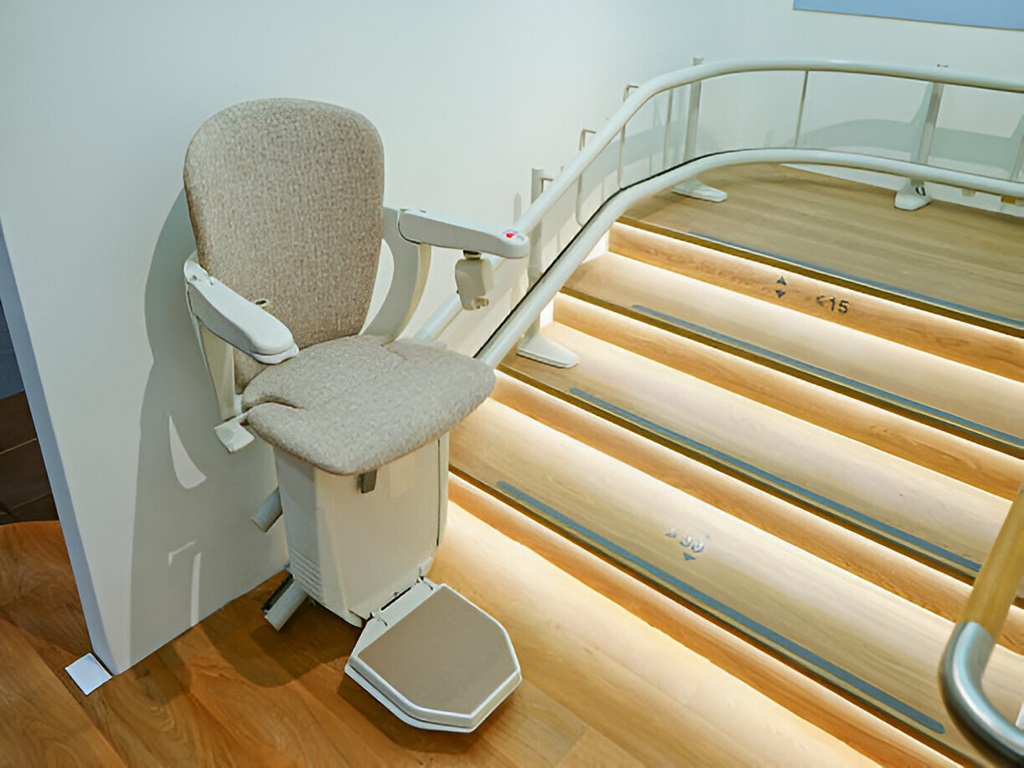
Stair lifts provide an excellent mobility solution for those who have difficulty navigating stairs. These devices ensure safety, comfort, and ease of access within multi-level homes. Here’s what to consider when choosing the right stair lift for your home.
Type of Staircase
Your staircase design determines the type of stair lift you’ll need. Straight staircases require simpler, more affordable lifts, while curved or spiral stairs demand custom-made models, which can be more expensive but tailored specifically to your space.
Weight Capacity
Stair lifts are available with various weight capacities. Standard models typically support 300–350 pounds, while heavy-duty models can accommodate higher limits. Ensure the stair lift matches your specific requirements.
Safety Features
Safety is a top priority. Look for features like seat belts, anti-slip footrests, and obstruction sensors. These ensure the lift stops safely if anything blocks its path, reducing the risk of accidents.
Comfort and Operation
Padded seats, adjustable armrests, and smooth start/stop mechanisms improve overall comfort. User-friendly controls, such as a joystick or remote, make the lift easy to operate for individuals of all mobility levels.
Power Source
Stair lifts can be powered by batteries or electricity. Battery-operated stair lifts remain functional during power outages, while electric models typically need an external power source. Choose the option that best suits your home’s energy setup.
Maintenance and Warranty
Check for durable models with extended warranties. Many stair lifts require minimal maintenance, but it’s essential to confirm service availability for occasional tune-ups or repairs.
Conclusion
Stair lifts enhance independence and safety for individuals with limited mobility. By selecting a model suited to your staircase, weight requirements, and comfort needs, you can improve access and make your home more accommodating.